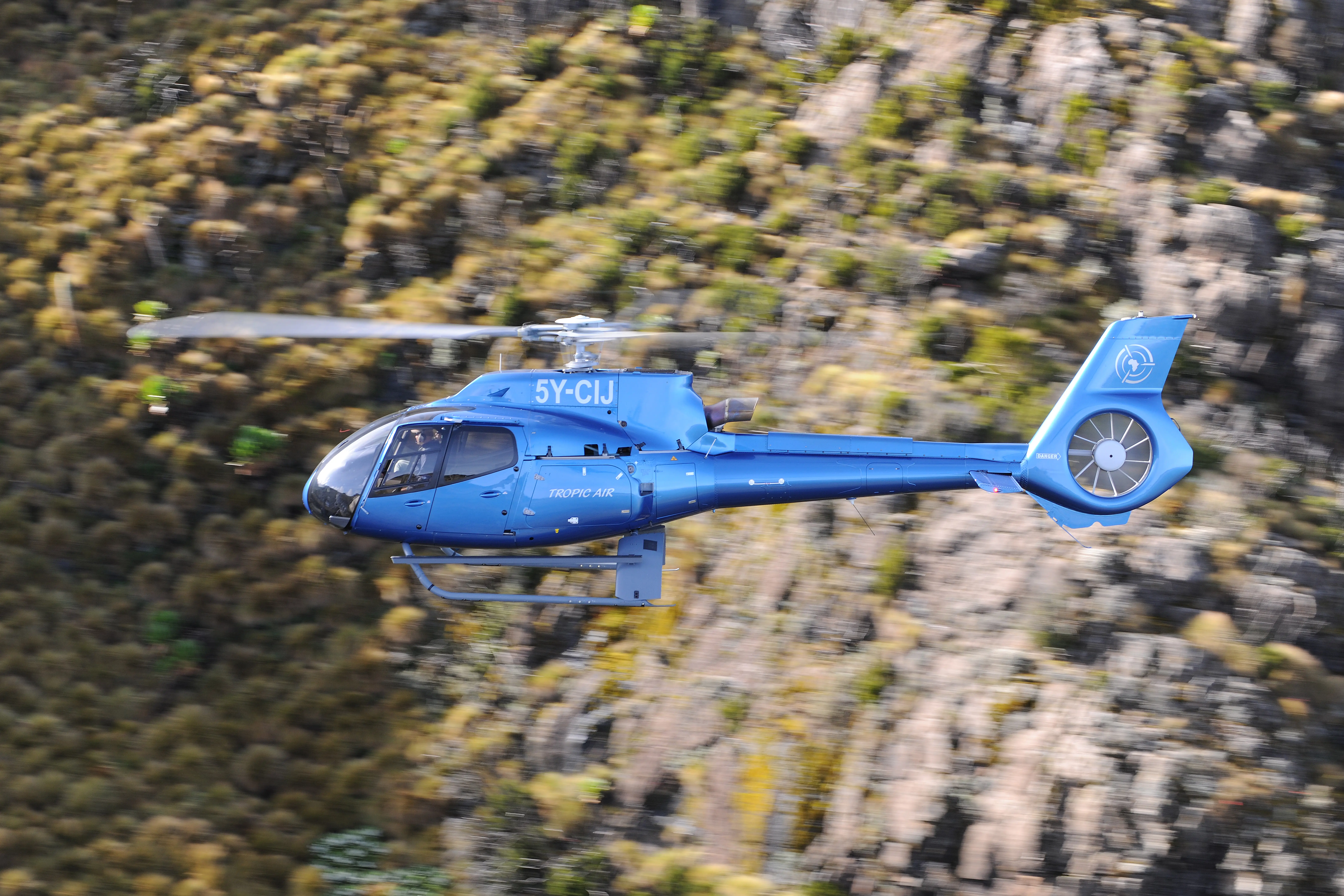
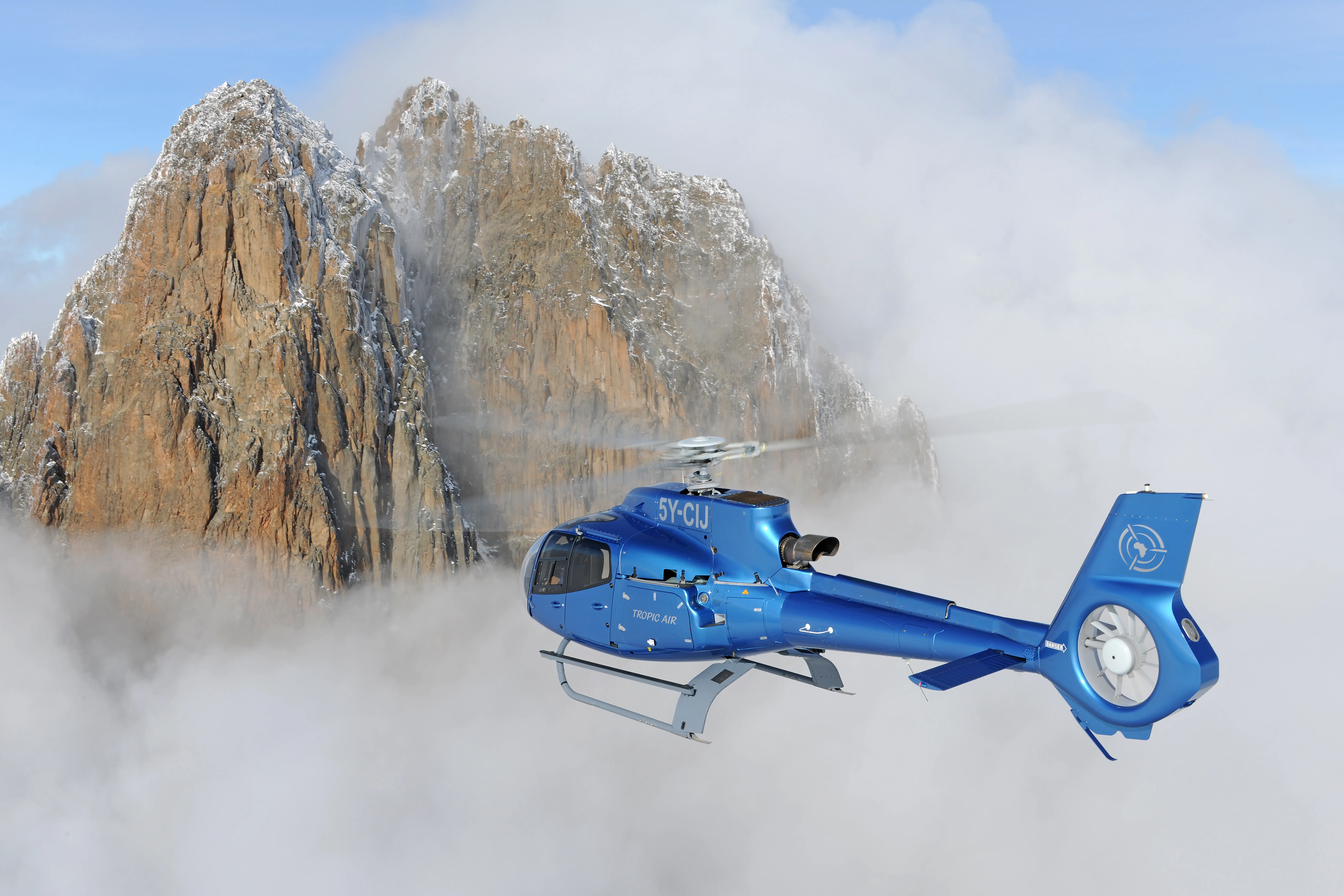
Medical Conditions Ideally Suited for Helicopter Evacuations
Time-Critical Emergencies
Trauma and Injury:
- Motor vehicle accidents requiring rapid trauma center access
- Falls from height at safari lodges, hiking trails, or adventure activities
- Wildlife encounters including bites, goring, or trampling injuries
- Drowning or near-drowning incidents at pools, beaches, or rivers
- Burn injuries requiring specialized burn center treatment
- Crush injuries or entrapment situations
Cardiac Emergencies:
- Heart attacks requiring immediate cardiac catheterization
- Sudden cardiac arrest with return of circulation needing advanced cardiac ICU
- Unstable arrhythmias requiring electrophysiology intervention
Neurological Emergencies:
- Strokes requiring rapid access to stroke centers (the "golden hour")
- Traumatic brain injury needing neurosurgical evaluation
- Spinal cord injuries requiring specialized spinal centers
Obstetric Emergencies:
- High-risk pregnancy complications at remote lodges or villages
- Premature labor requiring neonatal ICU facilities
- Postpartum hemorrhage or other delivery complications
Pediatric Emergencies:
- Seriously ill or injured children requiring pediatric specialists
- Respiratory distress in young children
- Severe dehydration or tropical disease complications in children
For Safari Lodges and Remote Properties
Helicopter-Ready Emergency Response
Partner with Rescue.co to ensure helicopter access for your guests and staff:
Landing Zone Assessment and Certification with our aviation team surveying your property to identify and certify safe helicopter landing areas.
GPS Coordinates on File ensuring dispatch can immediately direct helicopters to your exact location without delay.
Emergency Activation Protocols with dedicated phone lines and clear procedures for requesting helicopter evacuation.
Staff Training Programs teaching your team to recognize emergencies requiring air medical response and how to prepare landing zones.
Seasonal Access Planning establishing alternative landing zones for wet season, dry season, or times when primary zones are unavailable.
Wildlife Management Coordination working with your conservation teams to manage helicopter operations safely around wildlife.
Landing Zone Requirements
We help properties establish helicopter landing zones:
- Minimum 100x100 feet cleared area (larger preferred)
- Free of overhead wires, trees, or other obstacles
- Firm, level ground capable of supporting helicopter weight
- Wind indicator (windsock or flag) visible from air
- Communication equipment for coordination with incoming aircraft
- Backup locations for varying wind conditions
For Travel Insurance and Assistance Companies
Reliable Helicopter Medical Evacuation Partner
Insurance providers covering African travel need responsive helicopter partners:
Rapid Response Verification demonstrating actual response times and capabilities for each coverage region.
Cost Transparency with clear helicopter evacuation pricing enabling accurate policy underwriting and claims processing.
Pre-Authorization Protocols streamlining approval processes to avoid delays during time-critical emergencies.
Detailed Mission Reporting providing comprehensive documentation for claims including flight logs, medical records, and scene assessments.
Coverage Gap Analysis helping insurers identify areas where helicopter coverage provides significant value over ground-only response.
Risk Assessment Services evaluating specific safari itineraries, adventure activities, or corporate travel programs to recommend appropriate coverage levels.
When Helicopters Save Insurance Claims Costs
While helicopter transport appears expensive, it often reduces total claim costs:
- Faster access to definitive care reduces complications and hospital stays
- Direct transport to appropriate facilities avoids multiple transfers
- Prevents ground ambulance journeys that could take 6-12+ hours through difficult terrain
- Reduces need for stabilization at intermediate facilities
- Minimizes risk of patient deterioration during prolonged transport
For Adventure Tourism and Activity Operators
Specialized Support for High-Risk Activities
We provide helicopter standby and rescue services for:
Mountain Trekking and Climbing including Kilimanjaro expeditions, Drakensberg hikes, Atlas Mountain treks, and technical climbing operations.
Water Sports and Marine Activities covering diving operations, surfing competitions, white-water rafting, and offshore sailing or fishing charters.
Wildlife Tourism supporting walking safaris, gorilla trekking, and other close-encounter experiences where injuries may occur.
Endurance Events providing helicopter medical coverage for ultra-marathons, multi-day cycling events, and adventure races in remote areas.
Off-Road and Motorsport covering rally races, 4x4 expeditions, and motorcycle tours through challenging African terrain.
Event Medical Standby Services
For organized events in remote locations:
- Helicopter and medical crew on-site throughout event
- Immediate response capability for participant injuries
- Pre-surveyed evacuation routes to appropriate medical facilities
- Coordination with event medical teams and local EMS
- Reduced liability through demonstrated advanced medical response capability
Helicopter vs. Fixed Wing: Choosing the Right Aircraft
When Helicopters Are the Better Choice
Distance Under 150 Miles: Helicopters often deliver patient to hospital faster door-to-door than fixed wing when ground ambulance time to/from airports is factored in.
No Airstrip at Scene: Safari lodges, wilderness areas, accident scenes, and many locations lack airstrips but have areas suitable for helicopter landing.
Time-Critical Emergencies: For stroke, heart attack, or trauma where every minute impacts outcome, helicopter's direct routing and no patient transfers save precious time.
Difficult Terrain Access: Mountains, dense bush, islands, or areas with poor road infrastructure where ground response would take many hours.
Scene Support Required: When medical team needs to be delivered directly to patient location to stabilize before transport.
Weather Considerations: Local weather may prevent fixed wing operations while rotary wing can still safely operate.
When Fixed Wing Is Superior
Distance Over 200 Miles: Fixed wing aircraft fly 2-3x faster than helicopters, making them more efficient for longer distances.
Pressurization Needed: Patients with certain conditions benefit from pressurized cabins unavailable in most helicopters.
Extended Flight Time: Helicopters have shorter range and higher fuel consumption, making very long distances impractical.
International Evacuation: Repatriation to home countries or neighboring African nations best served by fixed wing aircraft.
Cost Efficiency: For longer distances, fixed wing cost-per-mile is significantly lower than helicopter.
Our operations team helps determine the optimal aircraft type for each specific situation, sometimes using both—helicopter to airstrip, then fixed wing for longer journey.
How Helicopter Evacuation Works
From Emergency to Hospital
Step 1: Emergency Activation (0-5 minutes)
- Call our 24/7 operations center
- Provide location, patient condition, and contact information
- Our team confirms helicopter availability and estimated arrival time
Step 2: Flight Dispatch (5-15 minutes)
- Helicopter crew alerted and begins pre-flight
- Flight medics review patient information and prepare equipment
- Flight plan filed and weather assessment completed
- Operations center notifies receiving hospital
Step 3: En Route (15-90 minutes depending on distance)
- Medical crew briefs on patient condition and care plan
- Ground teams at scene prepare landing zone and patient
- Continuous communication between aircraft and ground
- Receiving hospital prepares for patient arrival
Step 4: Scene Operations (10-30 minutes on ground)
- Flight medics assess and stabilize patient
- Advanced life support interventions as needed
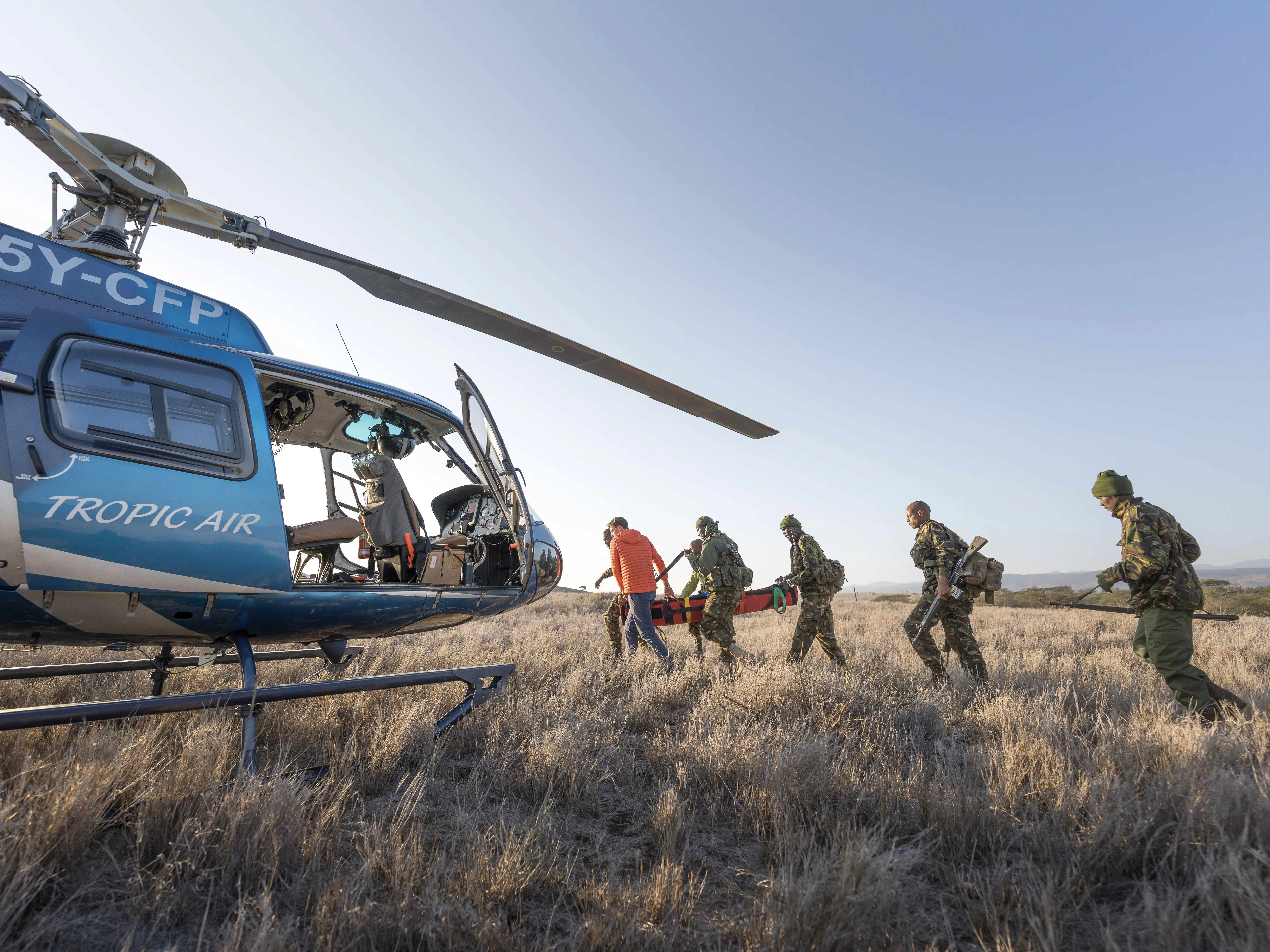
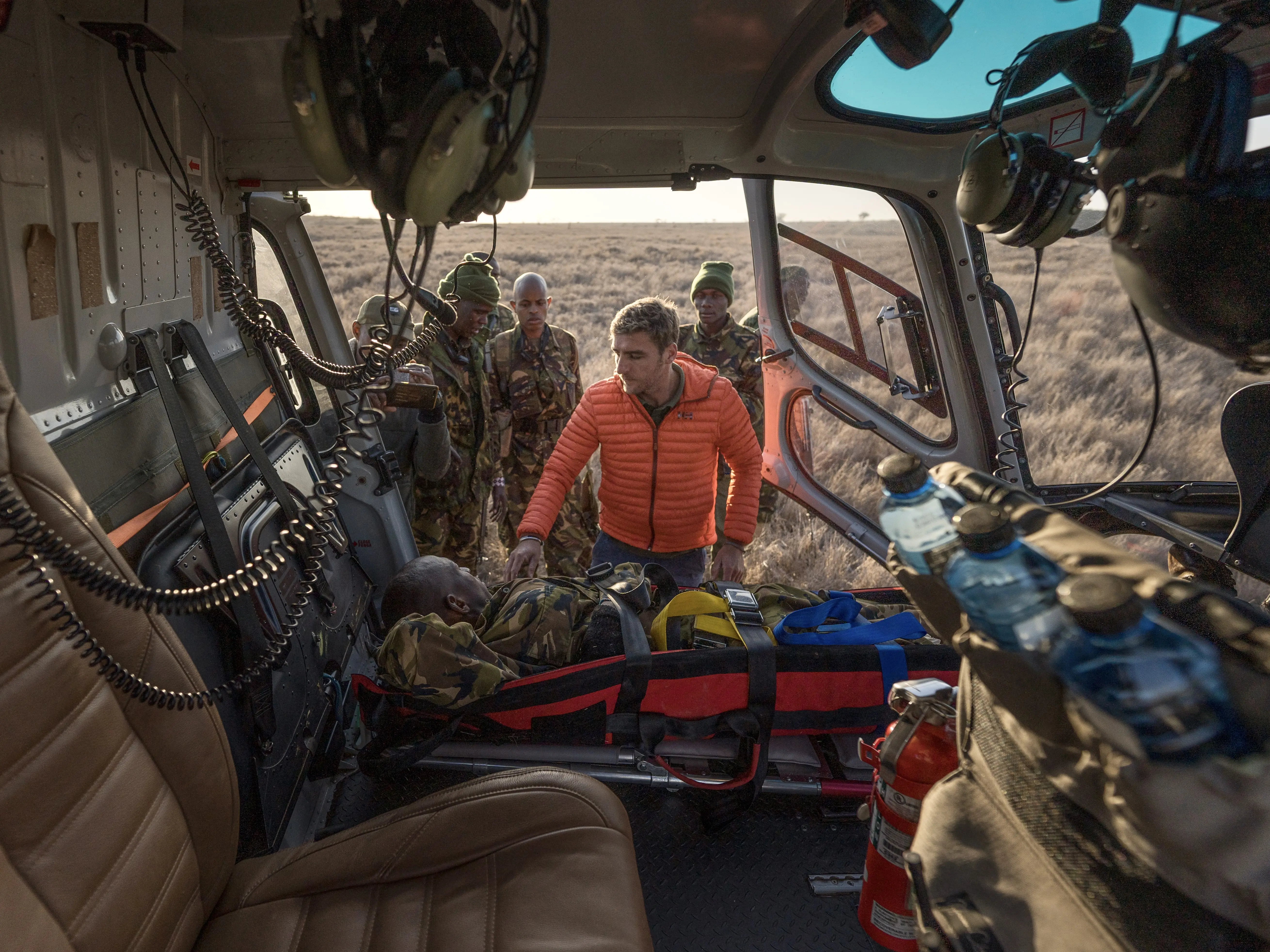
- Patient loaded into helicopter on specialized stretcher
- Scene safety ensured before takeoff
Step 5: In-Flight Care (Variable based on distance)
- Continuous monitoring and treatment
- Real-time communication with medical control physicians
- Updates to receiving hospital on patient status
- Flight time typically 30 minutes to 2 hours for most missions
Step 6: Hospital Handoff (10-20 minutes)
- Direct landing at hospital helipad or nearby landing zone
- Ground ambulance standing by if needed
- Patient transferred directly to emergency department or ICU
- Comprehensive medical documentation provided to hospital team
Cost Considerations for Helicopter Evacuation
Understanding Helicopter Medical Transport Costs
Helicopter air ambulance services reflect the significant resources required:
Cost Factors:
- Base mobilization and launch fees
- Flight time (primary variable cost)
- Aircraft type and size required
- Medical crew composition and specialized skills needed
- Night operations premium (requires additional safety measures)
- Remote or challenging landing zone complexity
- Ground ambulance coordination if needed
Typical Mission Costs:
- Urban short-range (under 50 miles): $8,000-$15,000
- Regional medium-range (50-150 miles): $15,000-$35,000
- Extended long-range (150-300 miles): $35,000-$60,000
Why Comprehensive Travel Insurance Is Essential:Most quality travel insurance policies covering African travel include helicopter medical evacuation benefits, making this life-saving capability accessible without devastating out-of-pocket costs.
Why Choose Rescue.co Helicopter Services?
Proven African Operations Experience with deep knowledge of the continent's terrain, weather patterns, medical infrastructure, and regulatory environments.
Strategic Base Positioning ensuring rapid response to major tourism regions, safari destinations, and remote areas across Africa.
Modern, Well-Maintained Fleet with aircraft selected specifically for Africa's demanding operating conditions and maintained to the highest standards.
Specialized Flight Medical Teams trained in trauma care, tropical medicine, and the unique challenges of helicopter medical operations in Africa.
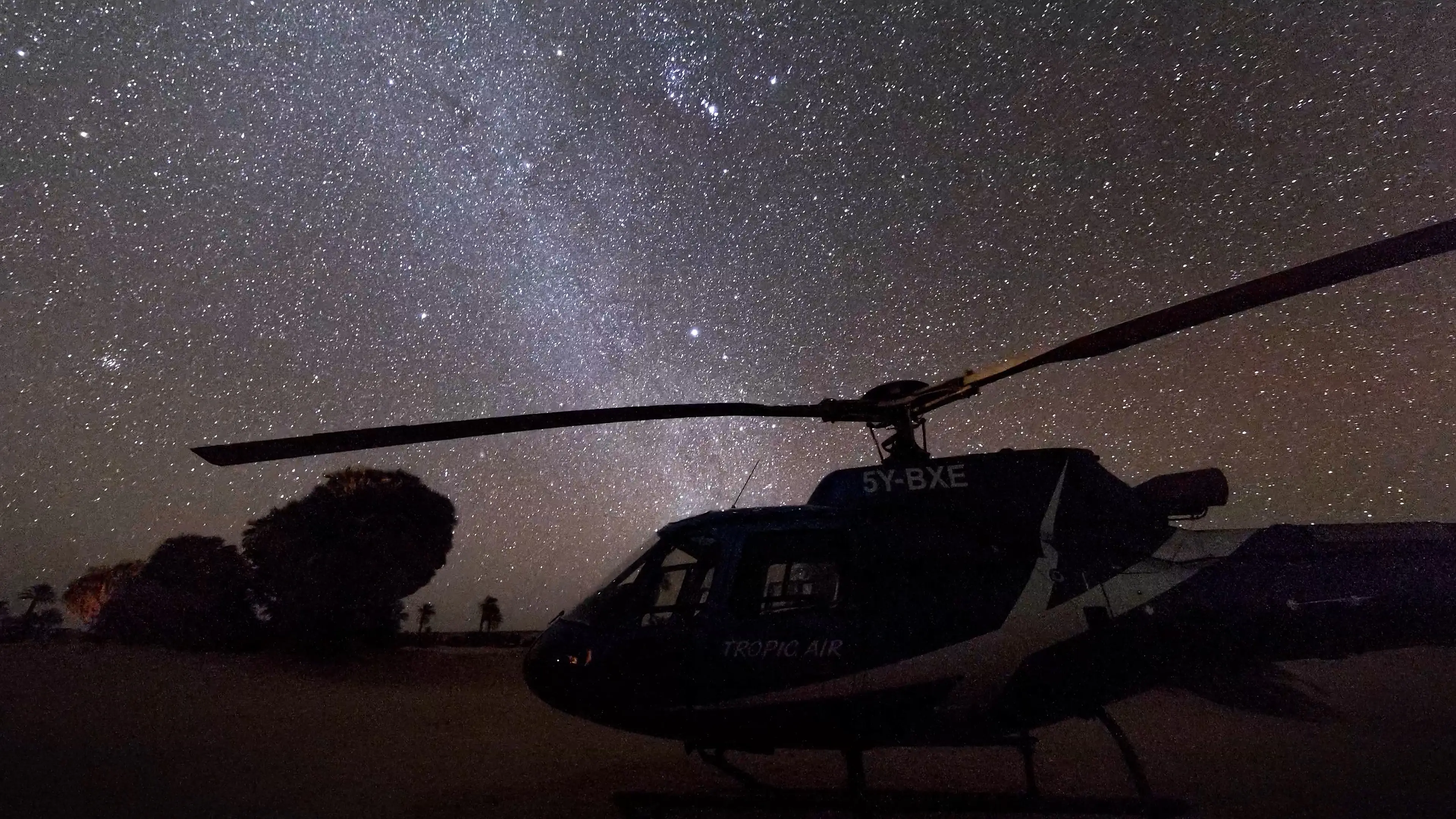
24/7 Operations Capability with night vision equipped aircraft and crews trained for all-weather, all-hours emergency response.
Transparent Communication providing realistic assessments of capabilities, honest timelines, and clear cost information.
Safety-First Culture where missions are evaluated carefully and flown conservatively, never compromising safety for speed.
Insurance Industry Partnership with established relationships with major travel insurance providers and streamlined authorization processes.
Coverage Areas and Response Times
East Africa
- Kenya (Nairobi, Mara, Amboseli, coastal regions)
- Tanzania (Serengeti, Ngorongoro, Zanzibar, Kilimanjaro)
- Uganda (Bwindi, Murchison Falls, Kampala region)
- Rwanda (Kigali, Volcanoes National Park)Typical Response: 30-90 minutes
Southern Africa
- South Africa (major cities, Kruger, Garden Route, Cape region)
- Botswana (Okavango Delta, Chobe, Central Kalahari)
- Zimbabwe (Victoria Falls, Hwange, Harare region)
- Namibia (Windhoek, Etosha, Skeleton Coast, Sossusvlei)
- Zambia (Livingstone, South Luangwa, Lower Zambezi)Typical Response: 30-120 minutes
West Africa
- Ghana (Accra, coastal tourist areas)
- Nigeria (Lagos, Abuja, select regions)Typical Response: 60-120 minutes
North Africa
- Morocco (major tourist destinations, Atlas Mountains)
- Egypt (Cairo, Red Sea coastal resorts)Typical Response: Variable by region
Request Helicopter Medical Coverage
For Travelers and Families:
Verify your travel insurance includes helicopter evacuation coverage for your African itinerary with Rescue.co as an authorized provider.
For Safari Lodges and Tourism Properties:
Contact us for landing zone assessments, contracted response services, and guest medical security programs.
For Adventure Tour Operators:
Discuss specialized helicopter standby services for high-risk activities, trekking expeditions, and remote adventure programs.
For Travel Insurance Companies:
Partner with us for verified helicopter evacuation capabilities across Africa with transparent pricing and proven rapid response.
For Corporate Travel Managers:
Establish helicopter medical evacuation coverage for employees traveling to remote or high-risk African locations.
Because when the unexpected happens far from help, the sound of helicopter rotors is the sound of hope arriving.